When Is Hand Foot Mouth Disease Contagious
When Is Hand Foot Mouth Disease Contagious? This is a common question among parents and caregivers who want to protect their loved ones from this highly contagious viral infection. Hand Foot Mouth Disease (HFMD), as the name suggests, primarily affects the hands, feet, and mouth. It is highly prevalent in young children, especially those under the age of five. The good news is that while HFMD can be uncomfortable and unsettling, it is usually not serious and goes away on its own within two weeks. In this post, we will explore what HFMD is, its symptoms, and ways to prevent its spread.
What is Hand Foot Mouth Disease?
Hand Foot Mouth Disease is a viral infection caused by the Coxsackievirus. This highly contagious infection can spread rapidly in kindergartens, schools, and daycare centers. The virus is transmitted through contact with the mucus, saliva, or faeces of infected individuals. It can also spread through contact with contaminated surfaces and objects, such as toys and doorknobs.
What are the Symptoms of Hand Foot Mouth Disease?
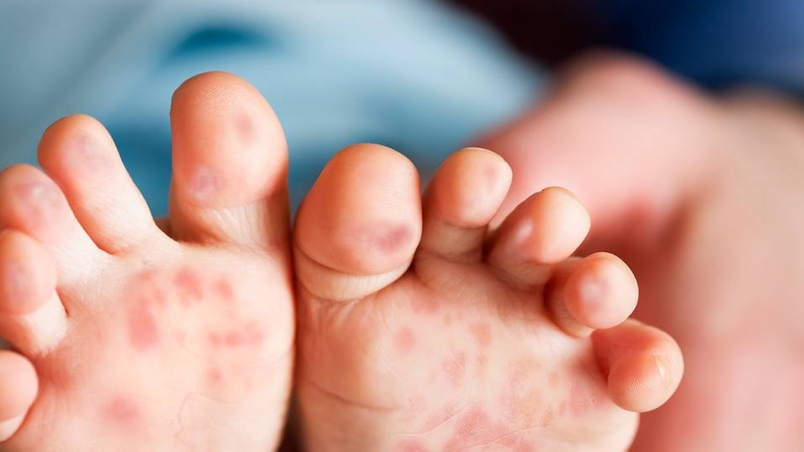
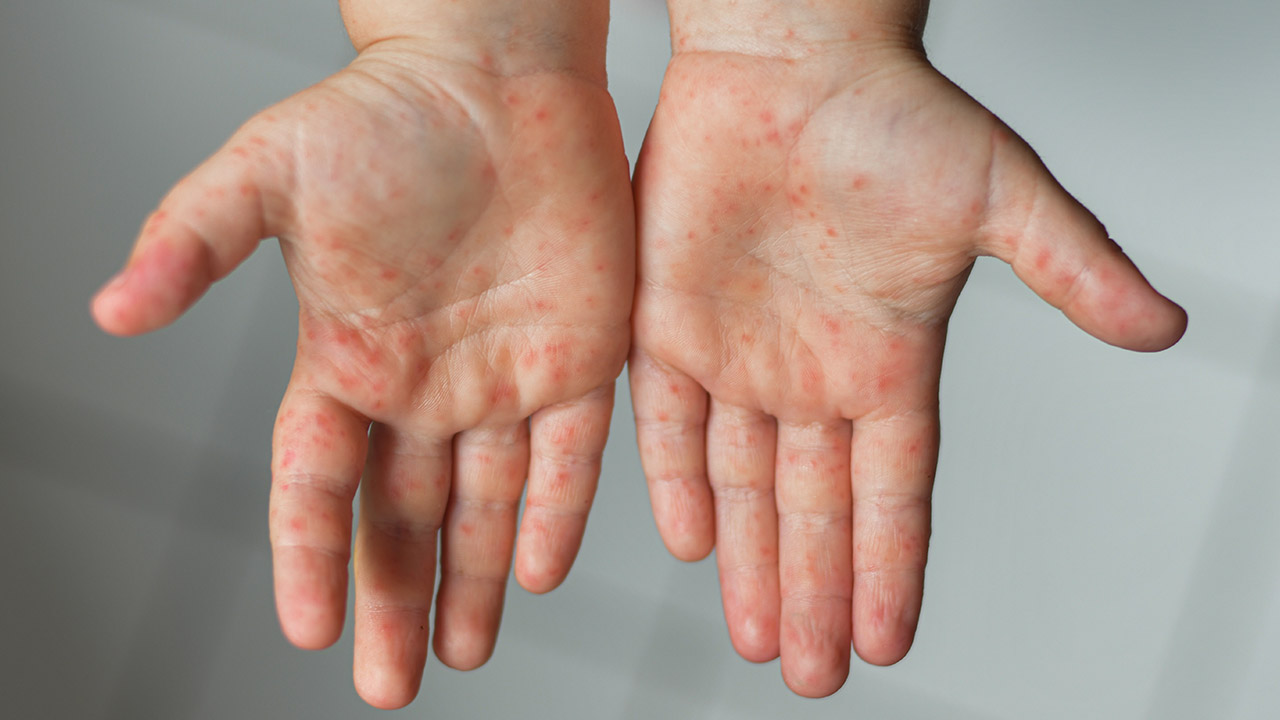
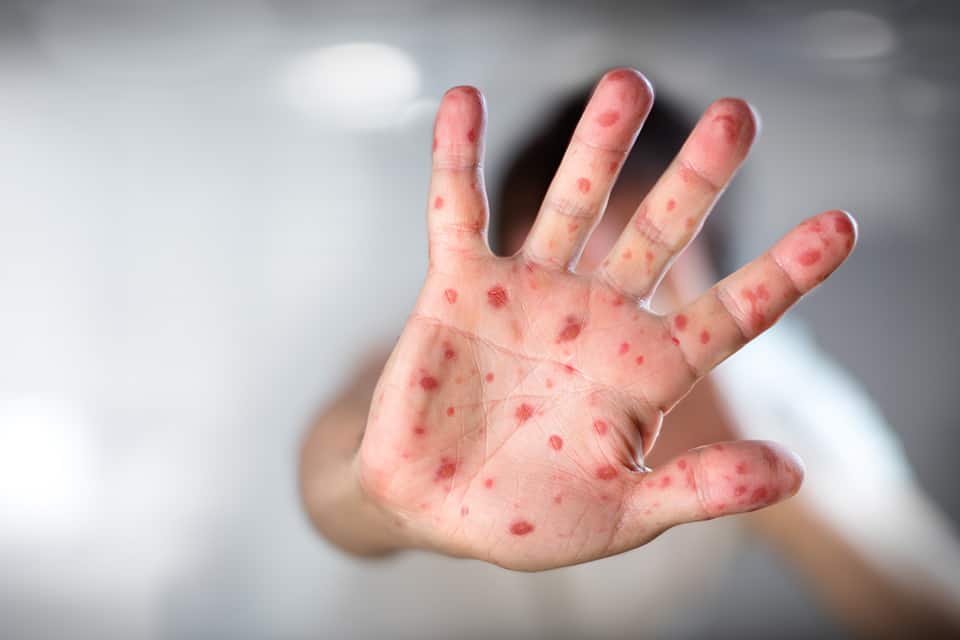
HFMD usually begins with a fever and a sore throat. A few days later, painful sores can appear in the mouth, on the tongue, and inside the cheeks. A rash can also develop on the hands, feet, and buttocks. These red or purple skin lesions may blister and become painful. In some cases, children may experience cold-like symptoms, such as a runny nose and cough.
If you suspect that your child has HFMD, it is important to consult a healthcare provider. While the infection is usually not severe, complications can occur, such as dehydration, seizures, and viral meningitis.
Preventing the Spread of Hand Foot Mouth Disease
The best way to prevent the spread of HFMD is to practice good hygiene habits. Here are some tips:
Wash Hands Frequently
Encourage everyone in your household to wash their hands frequently and thoroughly with soap and warm water. Pay special attention to the hands, which are a common source of transmission. Remind children not to touch their face or mouth without washing their hands first.
Clean and Disinfect Surfaces
Regularly clean and disinfect surfaces that are frequently touched, such as toys, doorknobs, and light switches. Use a disinfectant that is effective against the Coxsackievirus.
Avoid Contact with Sick People
Avoid contact with people who have HFMD or colds. If possible, keep your child at home if they are sick to prevent the spread of the infection.
Practice Good Food Safety
Practice good food safety habits, such as washing hands before preparing food and after using the toilet. Ensure that food is properly cooked and stored to avoid contamination.
Stay Vigilant
HFMD is highly contagious and can spread rapidly. Stay vigilant and monitor your child's health closely. If you suspect that your child has been exposed to HFMD, watch for symptoms and seek medical attention if necessary.
What to do if Your Child Has Hand Foot Mouth Disease
There is no specific treatment for HFMD, but there are several things you can do to help your child feel more comfortable:
Manage the Fever
HFMD can cause a high fever. You can help manage the fever by giving your child acetaminophen or ibuprofen. Be sure to follow the instructions carefully and never give aspirin to a child with HFMD, as it can lead to a rare but serious condition called Reye's syndrome.
Offer Comforting Foods and Drinks
Offer your child soft, bland foods that are easy to swallow, such as soup, yogurt, and applesauce. Cold drinks, such as water, milk, or ice pops, can also help soothe sore throats and relieve dehydration.
Keep Your Child Comfortable
To relieve pain and itching, you can apply a cool compress or calamine lotion to the rash. Avoid using creams or ointments that contain steroids, as they can make the infection worse.
Monitor Your Child's Condition
HFMD usually goes away on its own within two weeks. However, complications can occur, such as dehydration or secondary infections. Monitor your child's condition closely and seek medical attention if they develop a high fever, extreme lethargy, difficulty breathing, or other concerning symptoms.
Conclusion
Hand Foot Mouth Disease may be a common infection among young children, but it is also highly contagious and can cause discomfort and worry. Fortunately, by practicing good hygiene habits and staying vigilant, you can help prevent the spread of the virus and keep your loved ones healthy. If you suspect that your child has HFMD, be sure to consult a healthcare provider for advice and guidance.

View more articles about When Is Hand Foot Mouth Disease Contagious
Post a Comment for "When Is Hand Foot Mouth Disease Contagious"