How Do You Know When Your Dog Is Dying
How Do You Know When Your Dog Is Dying - Losing a pet is never easy, and when it's time to say goodbye to your furry family member, it can feel overwhelming to know what to do next. While it's important to seek veterinary care for your dog regularly, there are certain signs and symptoms to watch for that may indicate their health is declining. Here are some helpful tips, ideas, and how-to information to help you recognize the signs that your dog may be dying.
Signs Your Dog May Be Dying
Loss of Appetite
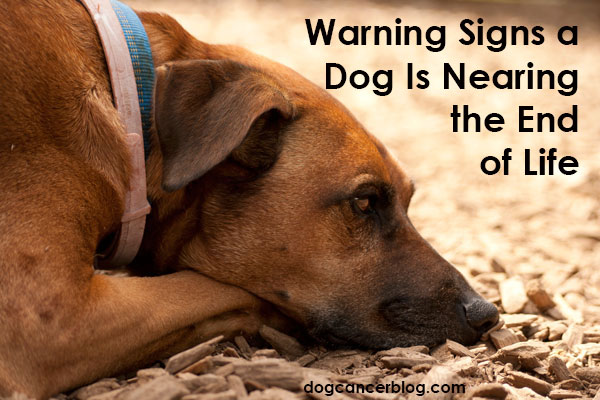
One of the most common symptoms of a dog that is nearing the end of their life is a loss of appetite. If your dog is refusing to eat or drink, consult with your veterinarian to ensure they are not experiencing any health issues that can be addressed. When pet parents are faced with end-of-life decisions for their dogs, it can be helpful to offer them small, frequent meals with their favorite foods and treats.
Difficulty Breathing

If your dog is having trouble breathing, it may be a sign that their body is shutting down. As their health declines, their lungs may fill with fluid and cause respiratory distress. Contact your veterinarian immediately if you notice any unusual breathing patterns from your dog.
Incontinence

As the body begins to shut down, dogs may lose control of their bladder and/or bowels. This can be a difficult symptom for both pets and pet parents to manage, but there are ways to make your dog more comfortable. Consider using a dog diaper or changing your pet's bedding frequently to help prevent discomfort and infection.
Lethargy

If your pet becomes increasingly lethargic and appears to have no energy, it may be a sign that they are approaching the end of their life. Dogs will often begin to withdraw and show little interest in activities they once enjoyed.
Pain and Discomfort
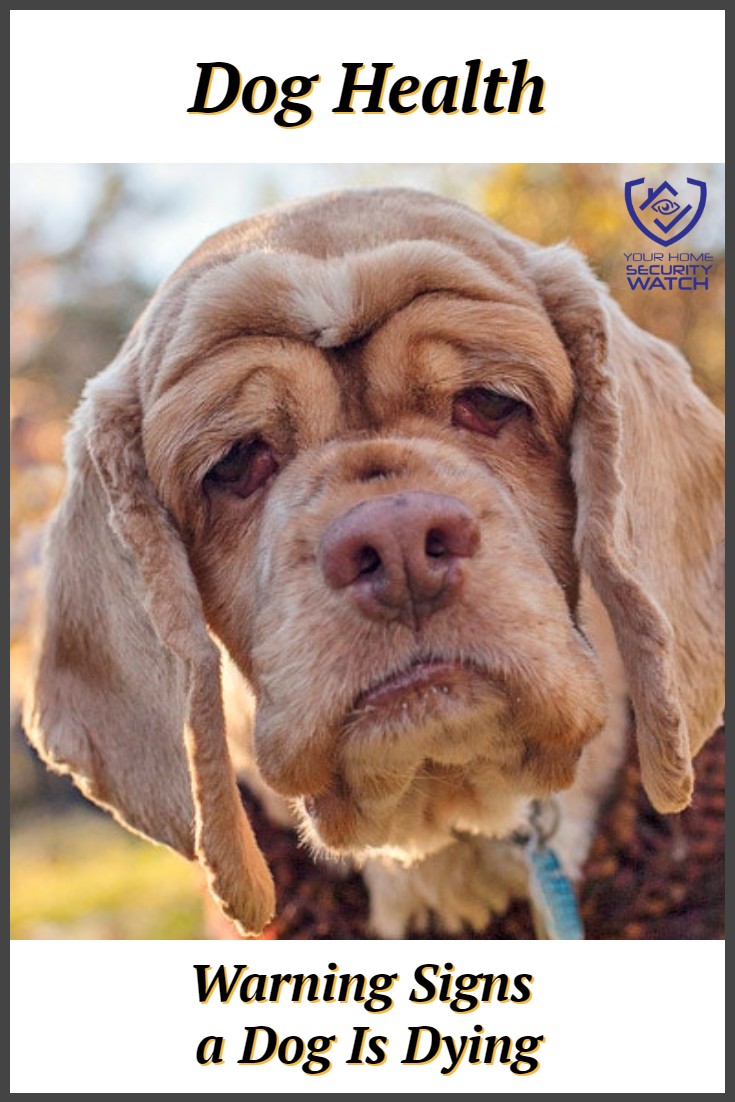
Another sign that your dog may be dying is if they are experiencing pain and discomfort. Dogs may exhibit signs of pain, such as panting, whimpering, or crying, and may have difficulty getting comfortable. Consult with your veterinarian to discuss pain management options for your dog.
What You Can Do To Help Your Dog
If you notice any of the above symptoms, it's important to consult with your veterinarian to discuss your dog's end-of-life care. You may consider palliative care or hospice care to help manage your dog's pain and discomfort during their final days.
Other ways you can help your dog during this difficult time include:
- Offering small, frequent meals with your pet's favorite foods and treats
- Providing comfortable and cozy bedding for your dog to rest in
- Spending quality time with your dog and giving them plenty of love and attention
- Consulting with a pet therapist or grief counselor to help you cope with the loss of your pet
Conclusion
Recognizing that your beloved pet is nearing the end of their life can be an overwhelming and emotional experience for pet parents. However, by watching for the above signs and symptoms and taking steps to provide your dog with comfort and care during their final days, you can help ensure that they are surrounded by love and support as they cross the rainbow bridge. Remember, you are not alone in this experience, and there are many resources available to help you cope with the loss of your furry family member.
Find more articles about How Do You Know When Your Dog Is Dying
Post a Comment for "How Do You Know When Your Dog Is Dying"