Child Fever When To Worry
Child Fever When To Worry - As a parent, we always want the best for our children. When your child falls ill and is running a fever, it can be concerning and stressful. It’s important to know when a fever is something to worry about and when it’s not. In this article, we’ll go over the causes of high fever in children, when to worry, and what steps you can take to help your child feel better.
What Is Considered A Fever In Children?
When To Worry About Your Child's Temperature?
Firstly, it's important to know what is considered a fever in children. A normal body temperature can range from 97°F (36.1°C) to 99°F (37.2°C) for most healthy children. However, a temperature of 100.4°F (38°C) or higher is considered a fever.
If your child has a fever, it's important to monitor their temperature and symptoms. A fever is the body's way of fighting off an infection, and in most cases, isn't a cause for alarm. However, if your child's temperature is 100.4°F (38°C) or higher for more than three days, or if they are lethargic, have difficulty breathing, appear dehydrated, or have a rash, seek medical attention immediately.
Causes Of High Fever In Children
How To Identify A Serious Fever In A Child?
The most common cause of a fever in children is a viral or bacterial infection, such as the flu or a cold. However, there are other causes of high fever in children that can be more serious. Some of these include:
- Meningitis: A bacterial or viral infection that affects the membranes and fluid surrounding the brain and spinal cord.
- Pneumonia: A lung infection caused by bacteria or a virus.
- Urinary tract infection: An infection that occurs in the bladder, ureters, or kidneys.
If your child has a fever, it's important to monitor their symptoms and watch for signs of a serious infection. Look out for:
- Difficulty breathing or rapid breathing
- Severe headache or stiff neck
- Frequent vomiting or diarrhea
- Seizures
- Unusual skin rash or bruising
- Extreme pain or discomfort
If you notice any of these symptoms, seek medical attention immediately.
How To Treat A Fever In Children
When To Seek Medical Attention?
If your child has a fever, there are steps you can take to help them feel better:
- Encourage rest and plenty of fluids
- Use a cold compress on the forehead or back of the neck to help reduce fever
- Dress your child in light clothing and keep the room cool
- Gently sponge your child with lukewarm water
- Give your child acetaminophen (Tylenol) or ibuprofen (Advil, Motrin) as directed by their doctor
It's important to remember that fevers are typically not harmful and often go away on their own. If your child has a fever, it's important to monitor their symptoms and seek medical attention if necessary.
When To Call The Doctor
How To Prevent Fever In Children?
If your child has a fever, there are times when you should call their doctor:
- If your child is younger than 3 months and has a temperature of 100.4°F (38°C) or higher
- If your child is between 3 months and 3 years old and has a temperature of 102°F (38.9°C) or higher
- If your child is older than 3 years and has a temperature of 103°F (39.4°C) or higher
- If your child has a fever that lasts more than 24 hours
- If your child has a fever and appears to be in severe pain or discomfort
- If your child has a fever and is showing signs of dehydration, such as dry mouth or not producing tears when crying
To help prevent fevers in children, it's important to:
- Teach your child to practice good hygiene, such as washing their hands regularly and covering their mouth when coughing or sneezing
- Make sure your child is up to date on their vaccinations
- Avoid contact with people who are sick
- Encourage your child to get plenty of rest and eat a healthy diet
Remember, as a parent, it's important to trust your instincts. If you feel that something is wrong with your child, seek medical attention. A fever is usually nothing to worry about, but it's always better to be safe than sorry.
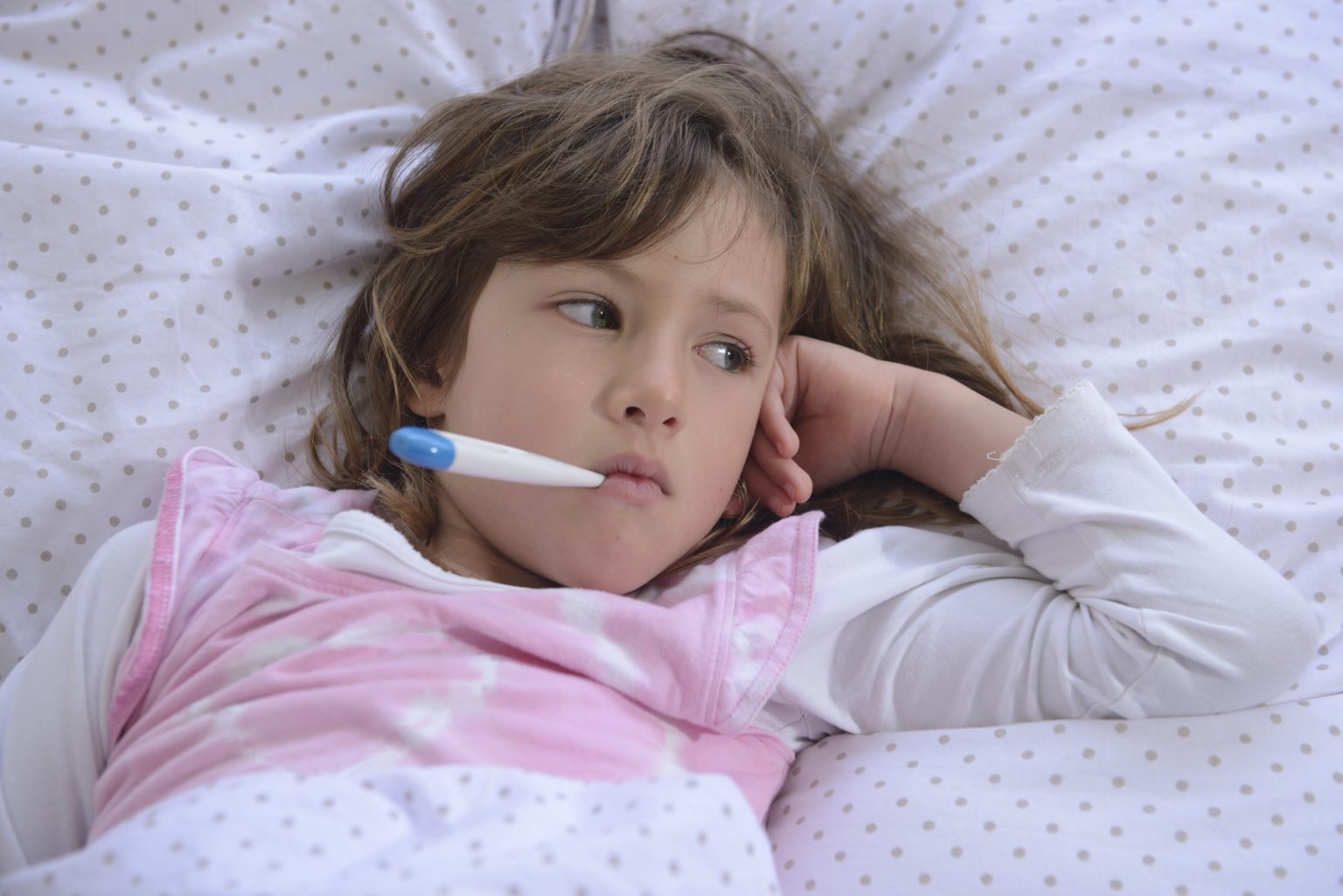
Fevers are a common occurrence in children and are usually not a serious cause for concern. However, it's important to know when to worry and what steps you can take to help your child feel better. Remember to always monitor your child's temperature and symptoms, and seek medical attention if necessary. With proper care and attention, your child will soon be back to feeling like their happy, healthy self.
Find more articles about Child Fever When To Worry
Post a Comment for "Child Fever When To Worry"