Why Does My Eye Water When I Lay Down
Why Does My Eye Water When I Lay Down - One of the most annoying things we experience as humans is the sudden onset of watery eyes. When you wake up in the morning and find that your eyes are watery, it can be frustrating to try and figure out why. The good news is that there are several reasons why your eyes may be producing excessive tears, and there are also several ways to help alleviate this symptom. In this article, we will take a look at some of the common causes of watery eyes and provide some helpful tips on how to manage this problem.
8 Reasons You Have Watery Eyes in the Morning
1. Seasonal Allergies

One of the most common causes of watery eyes is seasonal allergies. If you notice that your eyes tend to water more during certain times of the year, such as spring or fall, it could be due to allergies. When your body comes into contact with allergens such as pollen, it can trigger an immune response that causes your eyes to produce tears. This is because tears are one of the ways that your body tries to flush out foreign substances.
If you suspect that your watery eyes are due to allergies, there are several things you can try to help manage your symptoms. One option is to take an over-the-counter antihistamine, such as Claritin or Zyrtec. You can also try using eye drops that are specifically designed for allergy relief, such as Pataday or Alaway.
2. Eye Infection
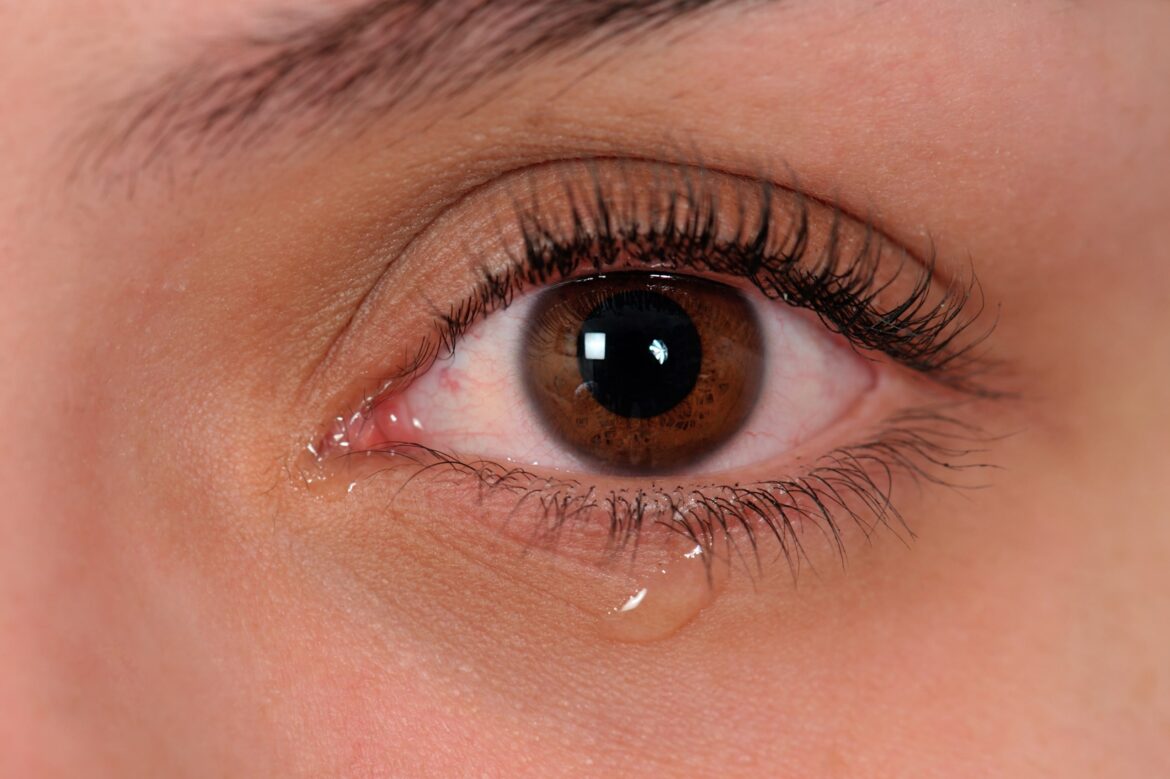
If your eyes are red, itchy, and producing a lot of tears, it could be due to an eye infection. Eye infections can be caused by a variety of factors, including bacteria, viruses, and fungi. In addition to watery eyes, you may also experience symptoms such as eye pain, discharge, and sensitivity to light.
If you suspect that you have an eye infection, it is important to see a doctor as soon as possible. Depending on the cause of the infection, your doctor may prescribe antibiotics, antiviral medications, or antifungal medications.
3. Dry Eyes

Believe it or not, dry eyes can actually cause your eyes to tear up. When your eyes are dry, they can become irritated and inflamed. In an attempt to lubricate and protect the eye, your tear glands may start producing more tears than usual. This can lead to watery eyes, even though your eyes are technically dry.
If you suspect that your watery eyes are due to dry eyes, there are several things you can try to help improve your symptoms. One option is to use artificial tears, which can help lubricate the eye and reduce irritation. You can also try using a humidifier to add moisture to the air, or taking omega-3 supplements, which can help promote good eye health.
4. Eyestrain

Do you spend a lot of time in front of a computer screen? If so, you may be experiencing eyestrain, which can cause watery eyes. When you stare at a screen for extended periods of time, your eyes may become fatigued and dry. This can lead to increased tear production as your eyes attempt to compensate for the dryness.
If you suspect that your watery eyes are due to eyestrain, there are several things you can do to help reduce your symptoms. One option is to take frequent breaks throughout the day to rest your eyes. You can also try adjusting the lighting in your workspace, reducing glare from your computer screen, and increasing the font size on your computer screen.
5. Blocked Tear Ducts

Your tear ducts are responsible for draining excess tears away from your eyes. If your tear ducts become blocked, either due to injury or infection, your tears may not be able to drain properly. This can lead to a buildup of tears, which can eventually overflow and cause watery eyes.
If you suspect that your tear ducts may be blocked, it is important to see a doctor for an evaluation. Depending on the severity of the blockage, your doctor may recommend surgical intervention to help restore normal tear drainage.
6. Foreign Objects

If you get something in your eye, such as a piece of dust or a small particle, it can cause irritation and inflammation. In an attempt to protect the eye, your tear glands may start producing more tears than usual. This can lead to watery eyes as your body tries to flush out the foreign object.
If you suspect that you have a foreign object in your eye, it is important to avoid rubbing your eyes, as this can cause further irritation. Instead, try flushing your eyes with clean, lukewarm water. If the foreign object is still present after flushing, seek medical attention.
7. Medications

Some medications can cause watery eyes as a side effect. If you have recently started taking a new medication and are experiencing watery eyes, it may be worth discussing this with your doctor. They may be able to switch you to a different medication that is less likely to cause this side effect.
8. Reflex Tears

Reflex tears are tears that are produced in response to an irritant, such as smoke or fumes. These tears are different from emotional tears, which are produced in response to emotions such as sadness or happiness. If you are exposed to an irritant in your environment, it can trigger the production of reflex tears and lead to watery eyes.
Now that you are familiar with some of the common causes of watery eyes, here are a few tips and tricks to help manage your symptoms:
How to Manage Watery Eyes
1. Keep Your Eyes Clean
Keeping your eyes clean can help reduce irritation and inflammation, which can in turn help reduce watery eyes. Try using a clean, damp cloth to gently clean your eyelids and lash line. You can also use a gentle eye wash to flush out any dust or debris that may be causing irritation.
2. Use a Humidifier
If your eyes are dry, using a humidifier can help add moisture to the air and reduce dryness. This can help prevent your eyes from becoming irritated and watery.
3. Wear Sunglasses
If you are going to be outside for extended periods of time, wearing sunglasses can help protect your eyes from environmental irritants such as wind, dust, and pollen. This can help reduce the production of reflex tears and prevent watery eyes.
4. Try Artificial Tears
If your eyes are dry or irritated, using artificial tears can help lubricate and soothe them. You can find artificial tears at most drugstores, and they are available in several different formulations, including drops, gels, and ointments.
5. Avoid Wearing Contact Lenses
If you wear contact lenses, they may be contributing to your watery eyes. Contact lenses can cause dryness and irritation, which can lead to increased tear production. Try taking a break from your contacts for a few days to see if your eyes improve.
6. See a Doctor
If your watery eyes are persistent or severe, it is important to see a doctor for an evaluation. They can help determine the underlying cause of your watery eyes and recommend appropriate treatment.
With these tips in mind, you should be able to effectively manage your watery eyes and keep them under control. Remember, if your symptoms persist or worsen, it is important to seek medical attention as soon as possible.
View more articles about Why Does My Eye Water When I Lay Down
Post a Comment for "Why Does My Eye Water When I Lay Down"