When Do Symptoms Of Pms Start
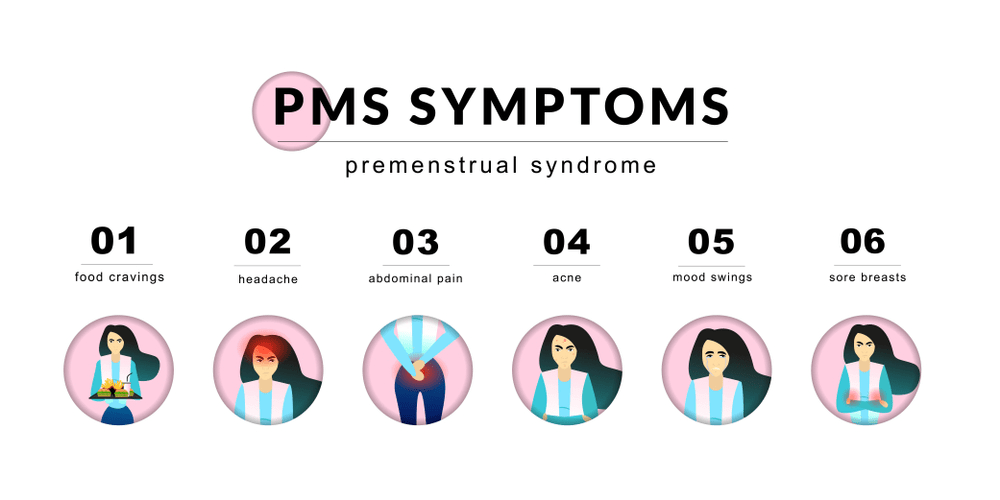
When Do Symptoms Of Pms Start - Many women experience premenstrual syndrome (PMS) symptoms in the days or weeks leading up to their period. These symptoms can include mood changes, physical discomfort, and changes in appetite. In this article, we'll take a closer look at some common symptoms of PMS and what you can do to feel better.
Symptoms of PMS
Mood changes
One of the most common symptoms of PMS is mood changes. While these changes can vary from person to person, they can include feelings of irritability, sadness, or anxiety. Some women may experience more severe mood changes, such as depression or panic attacks.

Physical discomfort
Physical discomfort is another common symptom of PMS. This can include cramps, bloating, backaches, and breast tenderness. Many women also experience headaches or migraines during this time.
Changes in appetite
Changes in appetite can also be a symptom of PMS. Some women may experience cravings for certain foods, while others may have a decreased appetite. Some women may also experience gastrointestinal issues, such as constipation or diarrhea, during this time.

Managing PMS symptoms
If you're experiencing PMS symptoms, there are a number of things you can do to help manage them:
Exercise regularly
Regular exercise can help reduce PMS symptoms. Try to get at least 30 minutes of moderate exercise most days of the week.
Eat a healthy diet
A healthy diet that's rich in fruits, vegetables, lean protein, and whole grains can help reduce PMS symptoms. Try to limit your intake of sugar, caffeine, and processed foods.
Get enough sleep
Getting enough sleep is important for managing PMS symptoms. Aim for at least 7-8 hours of sleep each night.
Consider supplements or medications
There are a number of supplements and medications that may help reduce PMS symptoms. Some women find relief from over-the-counter pain relievers like ibuprofen or naproxen. Others may benefit from supplements like calcium, magnesium, or vitamin B6.
Practice stress-reducing activities
Stress can worsen PMS symptoms, so it's important to find ways to manage stress. Try activities like yoga, meditation, or deep breathing exercises.
PMS vs. pregnancy symptoms
If you're experiencing symptoms like nausea, breast tenderness, or fatigue, you may be wondering if you're pregnant or just experiencing PMS. Here are a few key differences to look for:
- Timing: PMS symptoms typically occur in the days or weeks leading up to your period, while pregnancy symptoms may occur as early as a week after conception.
- Severity: While both PMS and pregnancy symptoms can be uncomfortable, pregnancy symptoms are generally more severe.
- Changes in mood: Mood changes are common with PMS, but they may also occur during pregnancy.
If you suspect you may be pregnant, it's important to take a pregnancy test and speak with your healthcare provider.
Conclusion
PMS can be an uncomfortable and difficult experience, but there are things you can do to manage your symptoms. If you're struggling with PMS, try to eat a healthy diet, get plenty of sleep, exercise regularly, and practice stress-reducing activities. If your symptoms are severe, talk to your healthcare provider about other treatment options.
Read more articles about When Do Symptoms Of Pms Start
Post a Comment for "When Do Symptoms Of Pms Start"