When Buying A House What Is Earnest Money
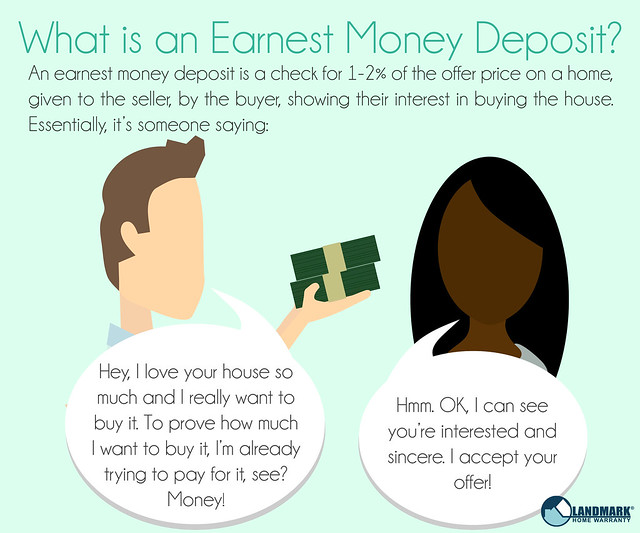
When Buying A House What Is Earnest Money - If you're looking to buy a house, you've probably heard the term "earnest money" thrown around. But what exactly is earnest money, and how does it play a role in the home buying process? In short, earnest money is a deposit that you give to the seller when you make an offer on a home. It's typically a percentage of the purchase price, and is intended to show the seller that you're serious about buying the property.
How Much Earnest Money Should You Put Down?
So, how much earnest money should you put down when you make an offer on a home? The answer to that question can vary depending on a number of factors, including the local real estate market and the price of the property you're interested in. In general, though, most earnest money deposits are between 1% and 3% of the purchase price of the home.
Protecting Your Earnest Money Deposit
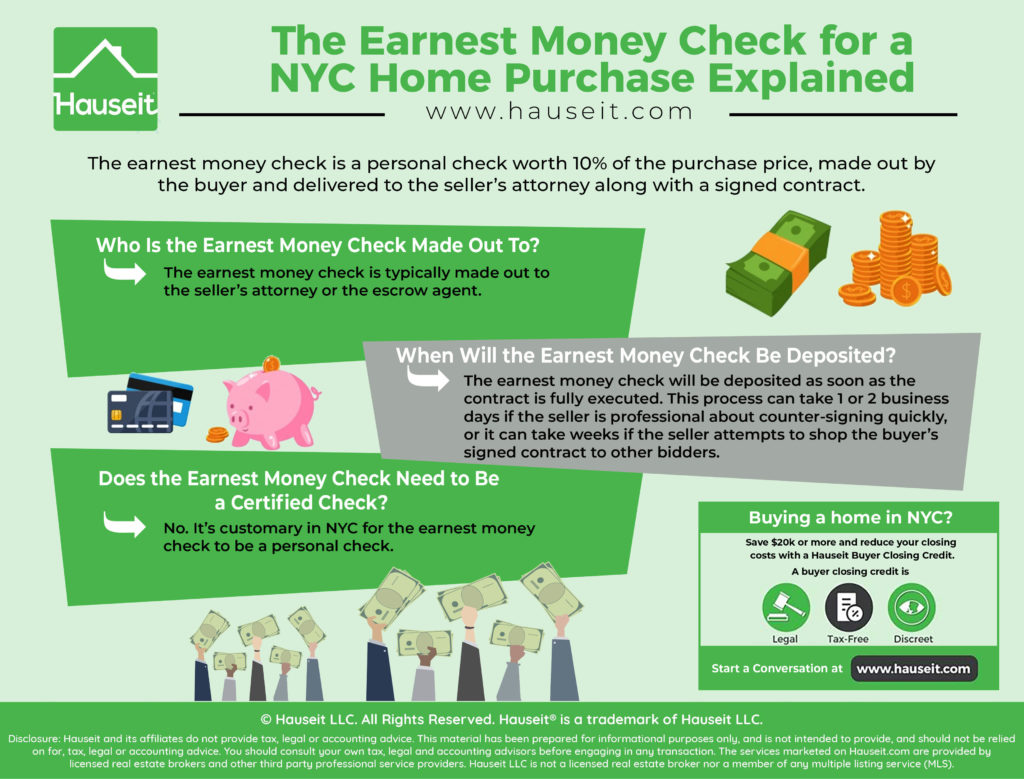
Once you've made an offer on a home and put down your earnest money deposit, it's important to take steps to protect that money. One way to do this is to make sure that your deposit is held in an escrow account. This means that the money will be held by a neutral third party, such as a title company, until the sale is complete.
You should also make sure that the terms of the sale are outlined in a contract, which should include details about what will happen to your earnest money if the sale falls through. In most cases, if the sale falls through due to a contingency that's outlined in the contract (such as the home inspection revealing significant issues with the property), you'll be able to get your earnest money back.
How to Get Your Earnest Money Back
If you decide not to buy the home, or if the sale falls through for some other reason, you may be wondering how to get your earnest money back. Again, the specifics of this will depend on the terms of the contract that you signed when you made your offer on the home. In most cases, though, you'll be able to get your earnest money back if:
- The sale falls through due to a contingency that's outlined in the contract.
- You're not able to secure financing for the purchase.
- The seller pulls out of the sale for reasons that are not outlined in the contract.
If you're not able to get your earnest money back for some reason, you may need to take legal action to recover the funds.
Final Thoughts
Overall, earnest money is an important part of the home buying process. It shows the seller that you're serious about buying their property, and can give you some protection if the sale falls through for any reason. Just make sure that you understand the terms of the sale before you make your deposit, and take steps to protect your deposit throughout the entire process.
Disclaimer: This article is for informational purposes only and does not constitute legal, financial or other professional advice. Consult a licensed professional before making any decisions related to buying or selling real estate.
Earnest Money Deposit Tips When Buying A Home
Get Pre-Approved First
Before you start looking at homes and making offers, it's a good idea to get pre-approved for a mortgage first. This will help you determine how much house you can afford, and will show the seller that you're a serious buyer.
Review the Contract Carefully
When you make an offer on a home, you'll need to sign a contract that outlines the terms of the sale, including the amount of earnest money that you're putting down. Make sure that you review this contract carefully before you sign it, and ask any questions that you may have.
Work with a Realtor
A real estate agent can be a valuable resource when it comes to making an offer on a home and putting down your earnest money deposit. They can help you navigate the process and make sure that you're protected throughout.
/protect-your-earnest-money-deposit-1798341_FINAL-cee23e58982f45399ceb8f0dd58e3b6b.png)
Earnest Money Deposit Ideas
Consider the Local Market
When determining how much earnest money to put down, it's a good idea to consider the local real estate market. If the market is hot and homes are selling quickly, you may need to put down a larger earnest money deposit to show the seller that you're a serious buyer.
Negotiate with the Seller
If you're not sure how much earnest money to put down, you may want to consider negotiating with the seller. They may be willing to accept a smaller deposit, especially if you're offering a higher purchase price for the home.
Don't Overspend
While it's important to make a good-faith deposit when you make an offer on a home, you don't want to overspend on your earnest money deposit. Remember, this money will be tied up during the sale process, and you'll want to make sure that you have enough money available for other expenses, such as closing costs and moving expenses.
How to Make an Earnest Money Deposit
Contact Your Bank
Before you can make an earnest money deposit, you'll need to have the funds available. Contact your bank to find out how much money you have available in your account, and to get any necessary paperwork or documentation in order.
Use a Certified Check or Wire Transfer
When making an earnest money deposit, you'll typically need to use a certified check or wire transfer. This ensures that the funds are immediately available and can be held in an escrow account until the sale is complete.
Make Sure You Get a Receipt
Once you've made your deposit, make sure that you get a receipt. This will serve as proof of payment, and can be helpful if there are any disputes or issues that arise during the sale process.
The Benefits of Putting Down Earnest Money
Show the Seller That You're Serious
When you make an earnest money deposit, you're showing the seller that you're serious about buying their property. This can give you an edge over other buyers who may not be as financially committed.
Provides Some Protection
Putting down an earnest money deposit can give you some protection if the sale falls through. If the seller backs out of the sale for reasons that are not outlined in the contract, you may be able to get your deposit back.
Can Help You Close the Deal
Finally, putting down an earnest money deposit can help you close the deal on a home. This shows the seller that you're willing to put your money where your mouth is, and can give them added peace of mind during the sale process.
Conclusion
If you're planning on buying a home, an earnest money deposit is an important part of the process. This deposit shows the seller that you're serious about buying their property, and can give you some protection if the sale falls through. Just make sure that you understand the terms of the sale before putting down your deposit, and take steps to protect your money throughout the entire process.
Find more articles about When Buying A House What Is Earnest Money
Post a Comment for "When Buying A House What Is Earnest Money"