Age When Baby Sits Up
Age When Baby Sits Up - The question of when a baby should be able to sit up on their own is a common one among new parents. It's important to remember that every baby is different and may progress at their own pace. However, there are some important facts to keep in mind when it comes to your baby's development. In this article, we'll discuss when babies typically start sitting up on their own, as well as tips and ideas to help encourage their progress.
When Do Babies Sit Up?
Most babies are able to sit up on their own between the ages of 4 and 7 months. However, there is a wide range of what is considered "normal" and some babies may be able to sit up as early as 3 months or as late as 9 months.
It's important to note that sitting up is just one milestone in your baby's development. Other things to look out for include rolling over, crawling, and walking. While some babies may hit these milestones earlier or later than others, it's always a good idea to talk to your pediatrician if you have any concerns about your child's development.
How to Help Your Baby Learn to Sit Up
Tummy Time
One of the best things you can do to help your baby learn to sit up is to give them plenty of tummy time. Tummy time not only helps to strengthen your baby's neck and back muscles, but it also helps them develop the coordination needed to eventually sit up on their own.
When your baby is young, start with just a few minutes of tummy time each day and gradually increase the time as they grow stronger. You can also place toys in front of your baby to encourage them to look up and reach for them.
Use a Boppy or Pillow
Another way to help your baby sit up is to use a Boppy pillow or similar device. These pillows provide extra support and can help your baby feel more secure as they learn to sit up on their own.
Place the pillow behind your baby and gently position them upright. As your baby grows stronger, you can gradually remove the pillow and let them sit up on their own.
Assist Your Baby
As your baby starts to show signs of being able to sit up on their own, you can assist them by placing your hands on their hips or under their arms to help support them. This can help build their confidence and encourage them to try sitting up on their own.
Tips for Encouraging Your Baby's Development
Engage With Your Baby
One of the best things you can do to help your baby's development is to engage with them. Talk to them, sing to them, and read to them. Not only will this help build your bond with your baby, but it will also help stimulate their brain and encourage their cognitive development.
Get Moving
Encouraging your baby to be active can also help their development. Play music and dance with your baby or let them crawl around and explore their surroundings. Not only will this help them develop their coordination and motor skills, but it will also help burn off some of their energy!
Provide a Safe Environment
It's important to remember that babies are naturally curious and love to explore. Make sure your home is baby-proofed and provide a safe environment for your baby to play and explore in. This will help them feel secure and confident as they learn and grow.
Conclusion
Every baby is different and will progress at their own pace, but there are still things you can do to help encourage their development. Tummy time, using a pillow, and assisting your baby are all great ways to help them learn to sit up on their own. Engaging with your baby, getting them moving, and providing a safe environment are also important for their overall development. Remember, always talk to your pediatrician if you have any concerns about your baby's progress or development.

When Do Babies Sit Up?
Most babies are able to sit up on their own between the ages of 4 and 7 months. However, there is a wide range of what is considered "normal" and some babies may be able to sit up as early as 3 months or as late as 9 months.
How to Help Your Baby Learn to Sit Up
Tummy Time
One of the best things you can do to help your baby learn to sit up is to give them plenty of tummy time. Tummy time not only helps to strengthen your baby's neck and back muscles, but it also helps them develop the coordination needed to eventually sit up on their own.
When your baby is young, start with just a few minutes of tummy time each day and gradually increase the time as they grow stronger. You can also place toys in front of your baby to encourage them to look up and reach for them.
Use a Boppy or Pillow
Another way to help your baby sit up is to use a Boppy pillow or similar device. These pillows provide extra support and can help your baby feel more secure as they learn to sit up on their own.
Place the pillow behind your baby and gently position them upright. As your baby grows stronger, you can gradually remove the pillow and let them sit up on their own.
Assist Your Baby
As your baby starts to show signs of being able to sit up on their own, you can assist them by placing your hands on their hips or under their arms to help support them. This can help build their confidence and encourage them to try sitting up on their own.
Tips for Encouraging Your Baby's Development
Engage With Your Baby
One of the best things you can do to help your baby's development is to engage with them. Talk to them, sing to them, and read to them. Not only will this help build your bond with your baby, but it will also help stimulate their brain and encourage their cognitive development.
Get Moving
Encouraging your baby to be active can also help their development. Play music and dance with your baby or let them crawl around and explore their surroundings. Not only will this help them develop their coordination and motor skills, but it will also help burn off some of their energy!
Provide a Safe Environment
It's important to remember that babies are naturally curious and love to explore. Make sure your home is baby-proofed and provide a safe environment for your baby to play and explore in. This will help them feel secure and confident as they learn and grow.
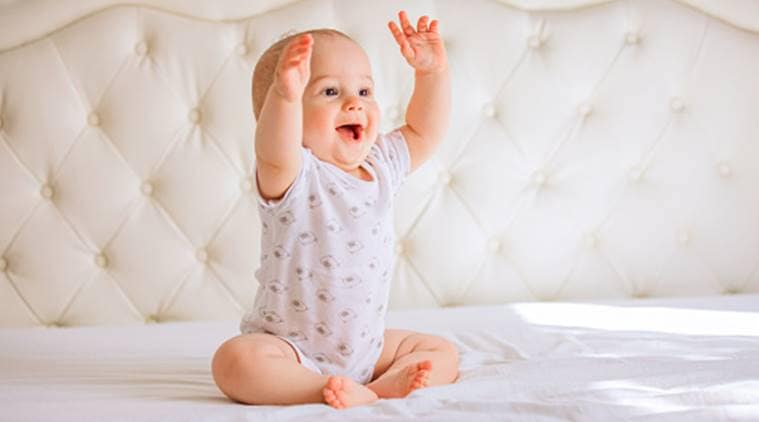
5 tips to help babies learn to sit up on their own
1. Give your baby plenty of tummy time to help strengthen their neck and back muscles.
2. Use a Boppy pillow or similar device to provide extra support as your baby learns to sit up on their own.
3. Assist your baby by placing your hands on their hips or under their arms as they learn to sit up.
4. Engage with your baby by talking to them, singing to them, and reading to them to help stimulate their brain and encourage their cognitive development.
5. Provide a safe environment for your baby to play and explore in to help them feel secure and confident as they learn and grow.

When Should My Baby Sit Up?
Most babies are able to sit up on their own between the ages of 4 and 7 months. However, there is a wide range of what is considered "normal" and some babies may be able to sit up as early as 3 months or as late as 9 months.

When Do Babies Sit Up?
Most babies are able to sit up on their own between the ages of 4 and 7 months. However, there is a wide range of what is considered "normal" and some babies may be able to sit up as early as 3 months or as late as 9 months.

At What Age Do Babies Sit Up?
Most babies are able to sit up on their own between the ages of 4 and 7 months. However, there is a wide range of what is considered "normal" and some babies may be able to sit up as early as 3 months or as late as 9 months.
Find more articles about Age When Baby Sits Up
Post a Comment for "Age When Baby Sits Up"