Pain In Upper Back When I Cough
Pain In Upper Back When I Cough - If you’ve ever experienced a sudden twinge of pain in your upper back when you cough, you’re not alone. Many people experience this discomfort, and it can be due to a variety of causes. Here are some tips and ideas that may help you alleviate your pain and get back to feeling your best.
Upper Back Pain Due to Stress
Symptoms
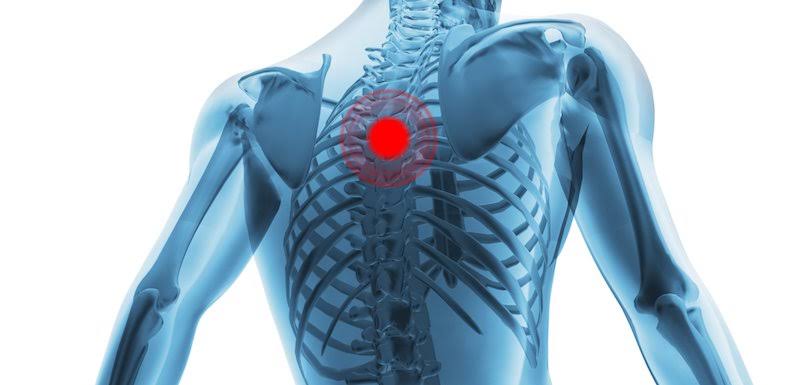 Stress can cause a wide range of physical symptoms, including upper back pain. If you’re experiencing pain, it may feel like a dull ache or sharp stabbing sensation in your upper back. Other symptoms can include muscle tension, headaches, and difficulty sleeping.
Tips and Ideas
If you think your upper back pain may be caused by stress, there are a few things you can do to help alleviate your symptoms:
- Practice relaxation techniques such as deep breathing, meditation, or yoga
- Get regular exercise to help reduce tension in your back muscles
- Avoid caffeine and other stimulants that can exacerbate symptoms
- Make time for hobbies, friends, and activities that make you happy and relaxed
Lower Back Pain Due to Coughing
Symptoms
 If you’re experiencing lower back pain when coughing, you may feel a sharp, stabbing sensation in your back. This pain can be worsened by certain movements or positions, and may be accompanied by other symptoms such as fatigue, fever, or coughing up mucus.
Tips and Ideas
If your lower back pain is caused by coughing, there are a few things you can do to help alleviate your symptoms:
- Rest and avoid strenuous activities that may aggravate your pain
- Apply heat or cold to the affected area to reduce inflammation and pain
- Take over-the-counter pain medications such as ibuprofen or acetaminophen as directed
- If your pain persists, seek medical attention to determine the underlying cause and potential treatment options
Upper Back Pain Due to Movement
Symptoms
 If you’re experiencing pain in your upper back when moving, you may feel a sharp, stabbing sensation that worsens with certain movements. This pain can be caused by muscle strain or injury, poor posture, or an underlying condition such as a herniated disc.
Tips and Ideas
If your upper back pain is caused by movement, there are a few things you can do to help alleviate your symptoms:
- Rest and avoid strenuous activities that may aggravate your pain
- Apply heat or cold to the affected area to reduce inflammation and pain
- If your pain is caused by poor posture, try stretching and strengthening exercises to improve your alignment and muscle tone
- If your pain persists or is accompanied by other symptoms, seek medical attention to determine the underlying cause and potential treatment options
Back Pain Behind Ribs
Symptoms
 If you’re experiencing back pain behind your ribs, you may feel a dull ache or sharp pain in your upper back or side. This pain can be caused by a variety of conditions, including kidney stones, muscular strain, or injury to the ribs or spine.
Tips and Ideas
If you’re experiencing back pain behind your ribs, there are a few things you can do to help alleviate your symptoms:
- Rest and avoid strenuous activities that may aggravate your pain
- Apply heat or cold to the affected area to reduce inflammation and pain
- If your pain is caused by muscular strain, try stretching and strengthening exercises to improve your alignment and muscle tone
- If your pain is severe or accompanied by other symptoms, seek medical attention to determine the underlying cause and potential treatment options
Conclusion
Back pain can be a frustrating and uncomfortable experience, but there are many treatment options available to help alleviate your symptoms. Whether your pain is caused by stress, coughing, or movement, there are steps you can take to reduce your discomfort and improve your quality of life. If your pain persists or is accompanied by other symptoms, seek medical attention to determine the underlying cause and potential treatment options.
Read more articles about Pain In Upper Back When I Cough
Post a Comment for "Pain In Upper Back When I Cough"