How To Tell When You Are Ovulating
How To Tell When You Are Ovulating - One of the most important factors when trying to conceive is knowing when you are ovulating. Ovulation is when your ovaries release an egg, and it is only during this time that you can become pregnant. While some women may have regular cycles that make it easy to predict ovulation, others may have irregular cycles or other factors that make it more difficult to pinpoint. Fortunately, there are a number of signs and symptoms that you can look out for to help you determine when you are ovulating.
Changes in Cervical Mucus
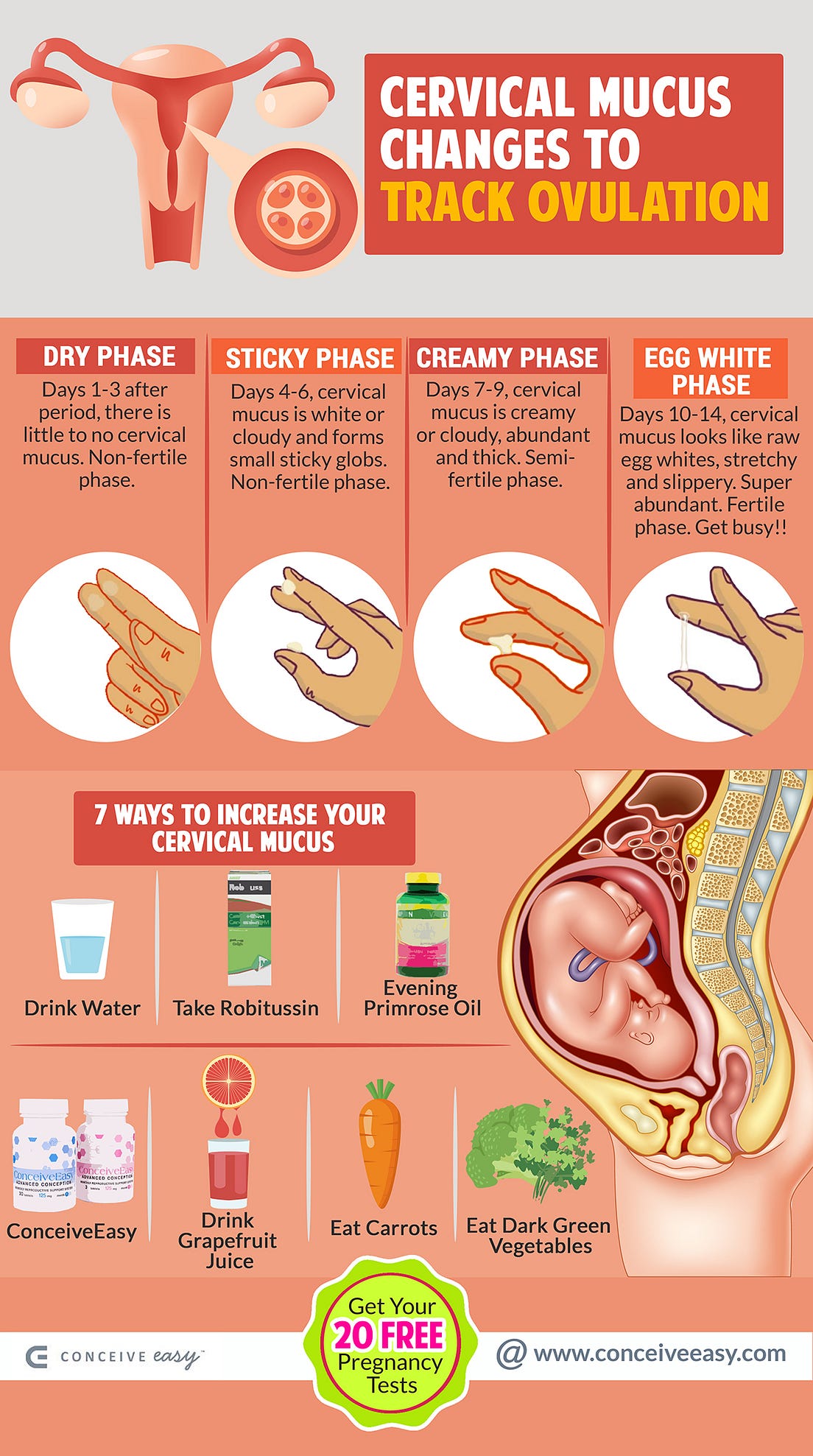
If you're tracking your ovulation, changes in cervical mucus are an important sign to watch for. Cervical mucus is produced by the cervix, and its texture and consistency changes throughout your menstrual cycle. During ovulation, cervical mucus becomes thin, clear, and stretchy, resembling the consistency of egg whites. This type of cervical mucus helps sperm travel to the egg and is a key indicator that you are ovulating.
Changes in Basal Body Temperature
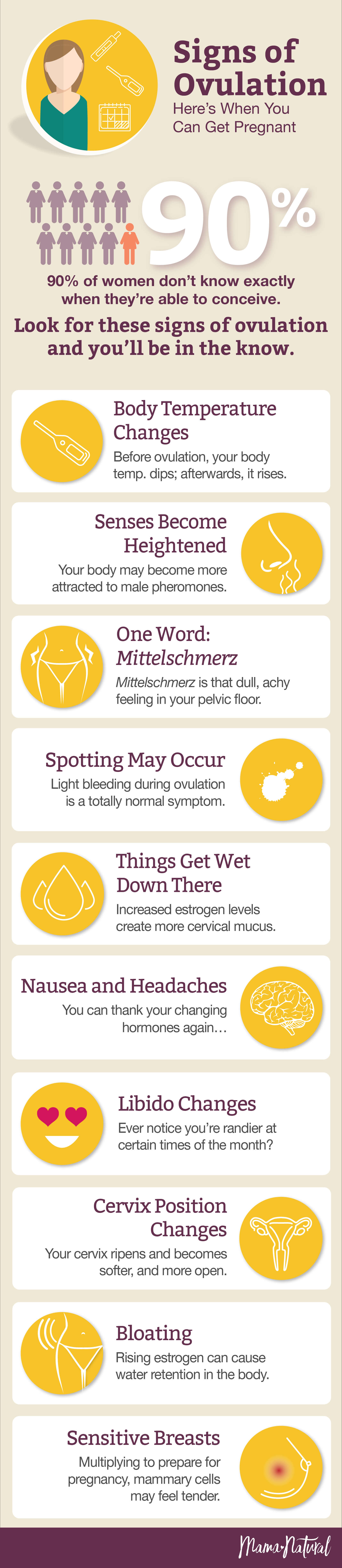
Basal body temperature (BBT) is another important factor to consider when tracking ovulation. BBT is your body's temperature when you're at rest, and it tends to rise slightly after you ovulate. By tracking your BBT every morning before getting out of bed, you can detect the slight drop followed by the increase that indicates ovulation is occurring.

Changes in Cervix Position
The positioning of your cervix can also change throughout your menstrual cycle, making it a helpful sign when trying to determine ovulation. During ovulation, the cervix typically rises up and moves to a softer, more open position to allow sperm to enter the uterus more easily.

Mittelschmerz Pain
Mittelschmerz is a German term that translates to "middle pain," referring to abdominal pain felt during ovulation. Not all women experience this pain, but for those who do, it can be a helpful indicator of ovulation.

Changes in Sex Drive
Finally, changes in sex drive can also be a sign of ovulation. Many women report feeling more sexually aroused and interested in sex during ovulation, likely due in part to the rise in estrogen that occurs. Paying attention to your sex drive and being aware of any changes can help you determine when you are most fertile.
How to Track Ovulation
If you're trying to conceive, tracking ovulation is essential. While monitoring your body's signs and symptoms is helpful, there are also a number of tools and methods that can make the process easier. These include:
- Using ovulation predictor kits (OPKs) to detect the surge in luteinizing hormone (LH) that occurs right before ovulation.
- Charting your basal body temperature every morning using a special thermometer.
- Monitoring changes in cervical mucus and position.
- Tracking your menstrual cycle using an app or paper chart.
By combining these different methods of tracking ovulation, you can have a better understanding of when you are most fertile and increase your chances of conceiving.
When to See a Doctor
If you have been trying to conceive for several months without success or have other concerns about your fertility, it's important to schedule an appointment with your healthcare provider. They can perform tests and screenings to determine if there are any underlying conditions affecting your ability to conceive and offer recommendations and treatments to help you achieve pregnancy.
By being aware of the signs of ovulation and actively tracking your fertility, you can take steps to increase your chances of conceiving and start your journey to parenthood.
View more articles about How To Tell When You Are Ovulating
Post a Comment for "How To Tell When You Are Ovulating"